How to Keep a Heritage Language Alive with Young Children
Keeping a heritage language alive with young children requires creating distinct daily situations where the minority language is the natural and necessary medium of communication. As children spend more time in nursery or preschool, the dominant community language rapidly becomes their default choice. Preserving your family language depends on protecting home routines, responding effectively when children switch languages, and linking the target tongue to authentic emotional and social experiences.
Establishing clear language zones at home
The strongest force working against a heritage language is the sheer volume of exposure a child receives in the wider community. Once a toddler enters nursery or playgroup, their brain quickly identifies the majority language as the primary tool for social survival and peer interaction. To balance this shift, the home must become a dedicated environment for your native tongue.
Many families find success with the Minority Language at Home approach, where all household members speak the heritage language inside the house regardless of what happens outside. If one parent does not speak the language fluently, the One Person One Language strategy offers an effective alternative, ensuring that at least one adult consistently addresses the child in the heritage language.
Consistency matters far more than intensity. If rules change depending on your mood or who is visiting, children will naturally default to the language that requires less cognitive effort. Decide on a structure that your family can sustain every day without stress.
Managing code-switching and language refusal
Around the age of three, many children start replying in the majority language even when spoken to in the heritage language. This is a normal stage of development, not a sign of failure. The child understands everything you say, but their productive vocabulary in the majority language has overtaken their recall in the minority language.
Refrain from correcting them harshly or demanding that they repeat sentences correctly before getting what they want. Constant correction creates negative emotional associations with the heritage language. Instead, use a technique called recasting. If your child points out of the window and says look at the big dog in English, reply in your heritage language by validating their observation and expanding upon it: yes, look at that massive brown dog running fast.
Recasting provides the correct vocabulary and sentence structure immediately without interrupting the flow of conversation or causing frustration. It acknowledges their message while quietly asserting the language of the home.
Reinforcing everyday vocabulary through independent activities
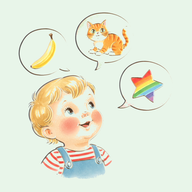
Young children acquire language fastest when words are paired directly with physical objects and visual cues. While conversation is essential, children also benefit from self-directed activities that allow them to explore words at their own pace.
Labelling household items, looking through photo albums together, and using physical flashcards help connect abstract sounds to concrete items. For independent play, quiet digital tools can reinforce primary vocabulary without introducing the dominant language. The Language Board app, for example, provides a visual board for toddlers and preschoolers aged two to six where tapping hand-illustrated objects plays recorded native-speaker audio for two hundred and ten everyday words, keeping the experience entirely within a single target language without complex menus or distractions.
Combining passive listening, visual representation, and spoken repetition builds strong foundational nouns that children can draw upon during daily family activities.
Creating an authentic communicative need
Children are practical communicators. If they realise that an adult understands the community language perfectly well, they will eventually wonder why they must exert the extra effort to speak the heritage language. To keep the language active, you must create situations where using it is genuinely necessary.
Regular video calls or visits with extended family members who do not speak the majority language provide an instant boost in motivation. Grandparents, aunts, uncles, and cousins create a natural social context where the heritage language is the only bridge for connection.
You can also seek out local language circles, cultural playgroups, or other families sharing the same language background. When children see older peers or playmates using the language comfortably, their perception of its value changes completely.
Moving beyond basic household instructions
A common pitfall in heritage language retention is reducing the language to a set of daily commands: put your shoes on, finish your dinner, wash your hands. When exposure is limited to functional directives, children miss out on the rich, descriptive vocabulary needed for complex thought and emotional expression.
Broaden the linguistic environment by sharing stories, singing traditional songs, and describing your own actions aloud as you work around the house. When playing together, talk through what you are doing using varied adjectives and verbs.
- Read bedtime stories in the heritage language every night, discussing the pictures as well as the text.
- Tell personal stories from your own childhood, which builds cultural connection along with language skills.
- Translate favourite picture books on the fly if copies in your native language are difficult to source.
- Encourage imaginative play where toy figures and puppets speak exclusively in the heritage language.
By embedding the language in play, emotion, and storytelling, you ensure it remains a living tool for expression rather than a passive obligation.